
Osaki OS-Pro Maestro LE 2.0 vs Ogawa Master Drive DUO LE (OG-8901): The Premium SL-Track 4D Decision
Both chairs sit in the same premium band and share the core configuration: an SL-track, 4D rollers, zero gravity, and heat. They separate on three things a spec sheet makes clear: how much weight the frame is rated for, how close to a wall it can recline, and whether the roller system is a single 4D or a dual setup. Here is what actually decides it.
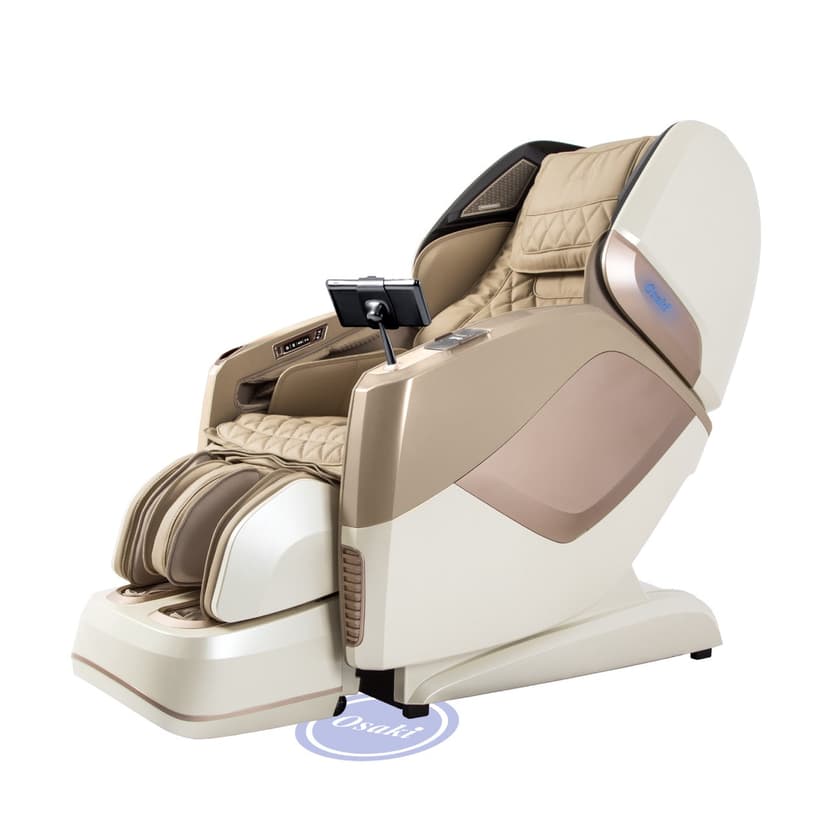
Osaki OS-Pro Maestro LE 2.0
$8,000-$11,999
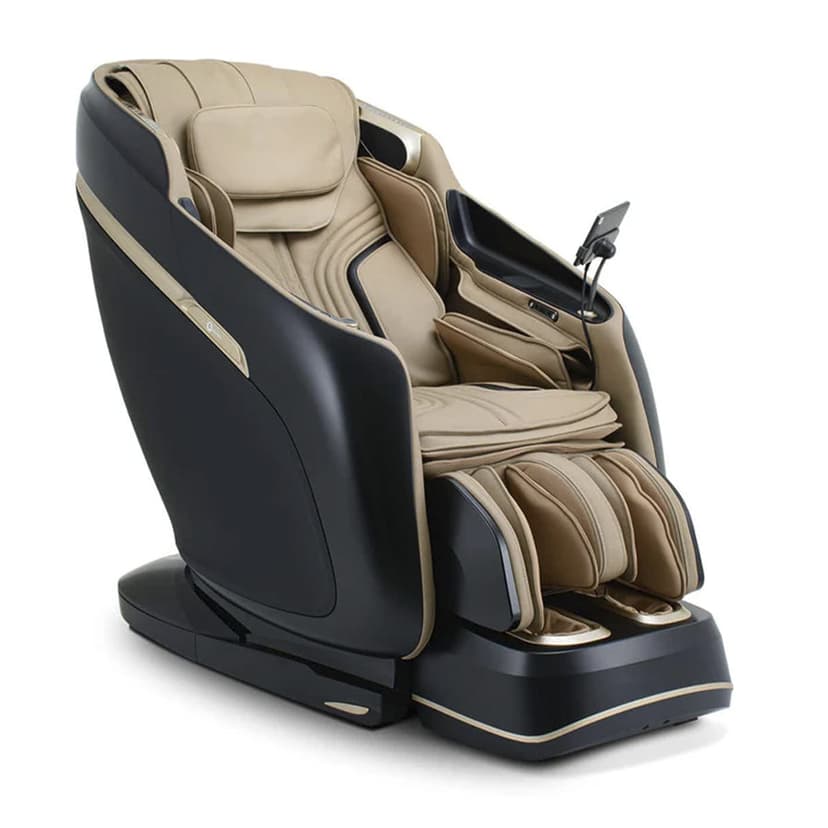
Ogawa Master Drive DUO LE (OG-8901)
$8,000-$11,999
Quick verdict
Pick the OG-8901 if body fit or room placement is the constraint: it carries a 320 lb weight rating, reclines within an inch of the wall, and runs a dual roller system on a 53-inch track. Pick the Maestro LE 2.0 if you want Osaki AI body scanning and are within a 260 lb capacity and a standard wall gap. Both deliver a premium 4D SL-track massage; the differences are practical, not about massage quality.
Specs Compared
| Spec | Maestro LE 2.0 | OG-8901 |
|---|---|---|
| Price band | $8,000-$11,999 | $8,000-$11,999 |
| Track | SL-track | SL-track |
| Roller | 4D | Dual 4D and 3D |
| Heat | Yes | Yes |
| Zero gravity | Yes | Yes |
| Wall clearance | 5 inches | 1 inch |
| Weight capacity | 260 lbs | 320 lbs |
| AI body scan | Yes | Not published |
Weight capacity is the first thing to check
The OG-8901 is rated to 320 lbs, the Maestro LE to 260 lbs. That 60 lb gap is the single most decisive spec here, because a chair used near or over its rated capacity wears its mechanism faster and can position the rollers poorly on a larger frame. If anyone in the household is close to 260 lbs, the OG-8901 is the safer long-term choice. If everyone using the chair is comfortably under that, the capacity difference does not matter and the decision moves to the other two factors. Our guide to sizing a chair to your body covers why capacity headroom matters more than the number alone.
Wall clearance: 5 inches vs 1 inch
Both are space-saving designs that slide the seat forward to recline, but the OG-8901 needs just one inch behind it while the Maestro LE needs about five. In most rooms five inches is fine. In a bedroom, a finished basement, or against a baseboard heater where every inch counts, the OG-8901 places where the Maestro cannot. Measure the wall gap before you decide, using the method in our room fit guide.
Roller systems: single 4D vs dual, plus AI scanning
The OG-8901 runs a dual roller system with a 4D primary set on a 53-inch track, which is built to blend depth with broader coverage. The Maestro LE answers with Osaki AI body scanning that maps your back before the session and tailors the roller path to it. Neither is strictly better: the OG-8901 leans toward mechanical range, the Maestro toward auto-fit precision. If you value a scan-and-adjust experience, the Maestro has it; if you want the dual-roller hardware and the longer track, the OG-8901 does. Both are true 4D chairs, so the underlying capability that the 4D roller guide describes is present on each.
Choose the Maestro LE 2.0 if:
- ›You want AI body scanning that tailors the roller path
- ›Everyone using it is comfortably under 260 lbs
- ›You have a standard wall gap to work with
- ›You prefer the Osaki retailer and support network
Choose the OG-8901 if:
- ›You need a 320 lb weight rating
- ›The chair must recline within an inch of the wall
- ›You want the dual roller system and the 53-inch track
- ›Larger-frame fit matters more than an auto-scan feature
Chair Finder
Not sure which is right for you?
Answer a few questions about your body, pain profile, and budget. The Chair Finder surfaces the chairs most likely to work for your specific situation, or work through the free Buyer's Guide at your own pace.
Open the Chair Finder